
Empowering Africa's digital future
with unmatched expertise

A leader in Cybersecurity, Digital Infrastructure, and Managed Services; providing a unified source of technology capabilities and expert support that helps organizations maximise the value of their technology investments.

Our end-to-end portfolio spans Security, Modern Networking, Big Data & AI, Cloud & Digital Infrastructure, Observability, and Smart Infrastructure—empowering enterprises to build secure, agile, data-driven, and sustainably optimized digital environments.
We embrace our core values of integrity, accountability, excellence, diligence and discipline. We respect our rigorous Code of Business Ethics, Anti-Corruption and Competition Law policies.
Your digital transformation
journey starts here
Solutions
See what Ostec can
do for you


Security
Secure your entire digital ecosystem against ransomware, insider threats, and phishing—ensuring privacy, compliance, and resilience across data and infrastructure.


Modern Networking
Empower hybrid work and agility with Ostec's secure, high-performance networks connecting users, branches, and cloud applications seamlessly.


Cloud & Digital Infrastructure
Support every workload with flexible, modern platforms that drive innovation, control costs, and ensure hybrid environment resilience.


Smart Infrastructure
Digitize physical environments with Ostec's smart infrastructure—driving automation, sustainability, and intelligent decisions across campuses.


Big Data & AI
Modernize how you use data to improve decisions, personalize services, and automate operations—empowering every team and unlocking new opportunities for growth


Observability
Ostec's observability solutions provide a unified view across your digital ecosystem—enabling faster troubleshooting, predictive insights, and continuous improvement for reliable service delivery.
Industries
Transforming Industries
with Secure, Intelligent
Infrastructure

Banking & Finance
Secure digital banking, modernize infrastructure, and drive customer trust.

Oil & Gas
Secure critical operations, optimize remote assets, and ensure environmental compliance

Energy & Utilities
Modernize infrastructure, secure critical operations, and meet sustainability goals.

Ports & Logistics
Secure your operations, streamline movement, and optimize connected infrastructure

Mining & Quarrying
Secure remote sites, optimize operations, and drive sustainable resource management.

Construction
Secure sites, enable smarter builds, and optimize operational efficiency

Telecoms
Build resilient networks, manage spectrum efficiently, and deliver world-class connectivity to millions of subscribers.

Public Sector
Digitize citizen services, strengthen national cyber defense, and drive transparent, efficient governance.
Featured use cases and solutions

Ostec Cloud Service

Infrastructure Modernization

Ransomware Protection with AI-Powered Security

Elevating Data Security Standards in Banking

IP Telephony
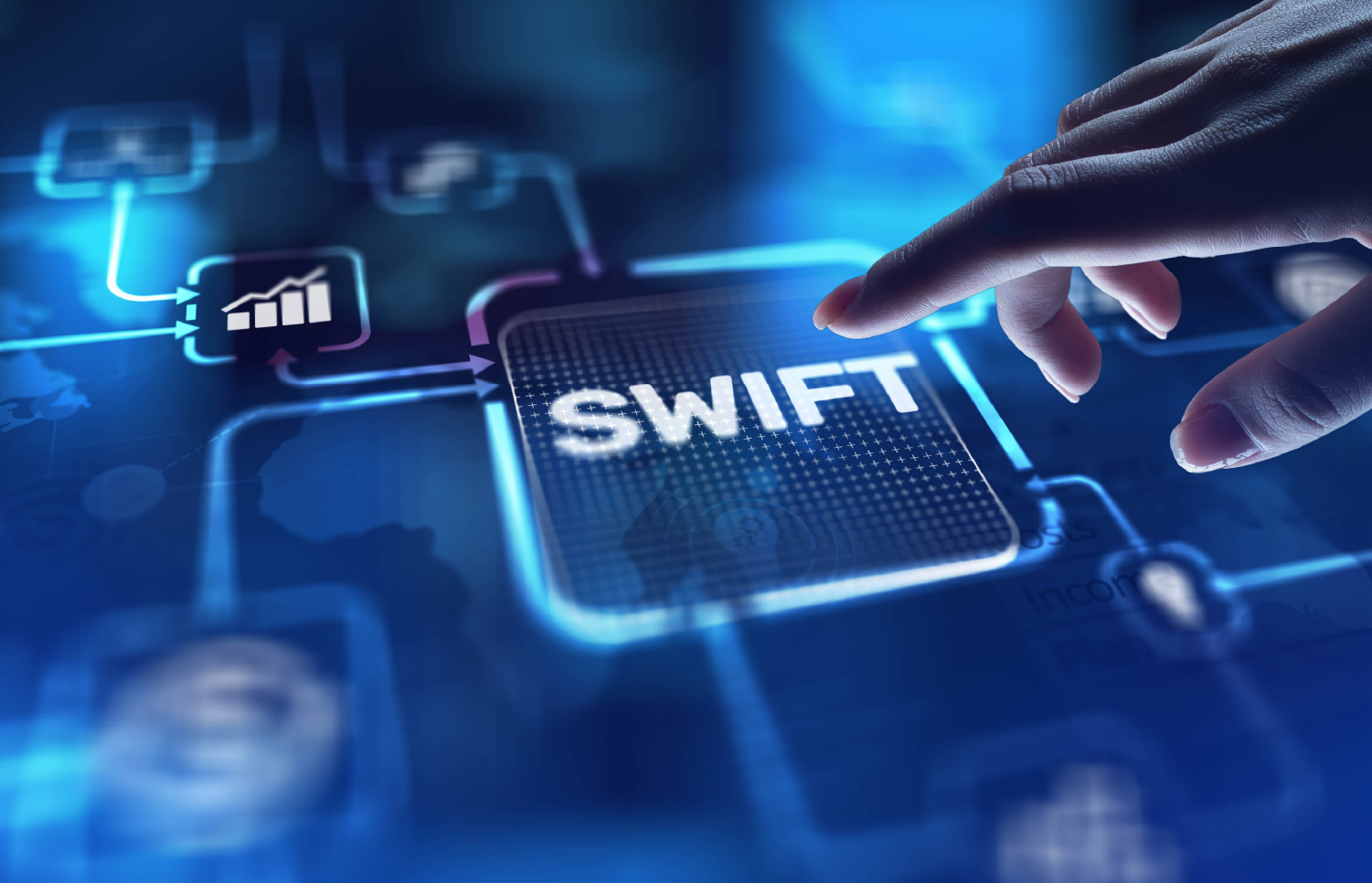
SWIFT Network Upgrade Project

Hyper-Converged Infrastructure
Trusted by our partners


News and Insight
The latest from Ostec
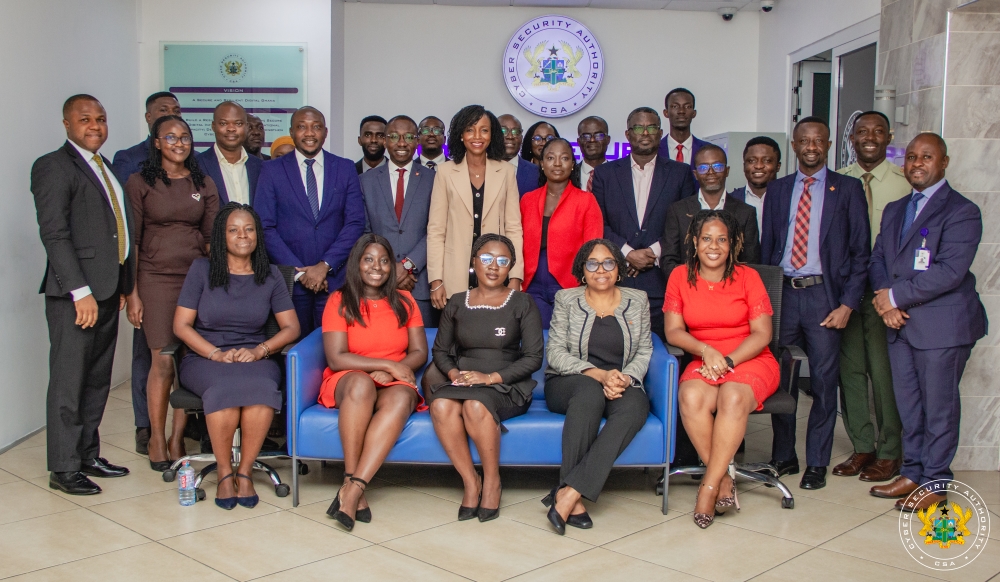
Ostec awarded Licence for Cybersecurity Establishments
We’re thrilled to announce: Ostec has been awarded the Licence for Cybersecurity Establishments by the Cyber Security Authority (CSA). This prestig...

Appointment of Peggy Osafo-Yeboah as Head of Customer Experience
We are pleased to announce the appointment of Peggy Osafo-Yeboah, as Head of Customer Experience for Ostec Ghana. Peggy has been an integral part of ...

Ostec Celebrates 24th Anniversary with blood donation exercise
Ostec Celebrates 24th Anniversary by Supporting the Community Through Blood Donation We’re thrilled to share the success of our recent blood donati...
News and Insight
The latest from Ostec
Ostec awarded Licence for Cybersecurity Establishments
We’re thrilled to announce: Ostec has been awarded the Licence for Cybersecurity Establishments by the Cyber Security Authority (CSA). This prestig...
Appointment of Peggy Osafo-Yeboah as Head of Customer Experience
Ostec Celebrates 24th Anniversary with blood donation exercise
Ostec and VMware SASE Session
Social Feed
LinkedIn Updates
Ostec IT
Wed, Oct 21, 2026, 12:25 PM
The technology team is already managing the day-to-day. Who is driving the transformation? OCS provides fractional CIO leadership and oversight. For over 25 years, Ostec has delivered technology across Ghana and Africa. Request a conversation with an OCS advisor today.
Ostec IT
Wed, Oct 21, 2026, 12:25 PM
“Our technology is fine” says the systems are running. But what would an outage or a breach cost the business? OCS helps the board answer that. If your board needs a clearer view, request a conversation with an OCS advisor today.
Ostec IT
Wed, Oct 21, 2026, 12:25 PM
Your IT team may have raised the same concerns for years. OCS offers focused IT and cyber reviews to help leadership see the risk and act. Let's talk.
Ostec IT
Wed, Oct 21, 2026, 12:25 PM
Six months later, the recommendations are still in the IT team's queue. OCS helps leadership put ownership and oversight behind implementation. Still waiting for progress? Speak with an OCS advisor today.
Ostec IT
Mon, Oct 19, 2026, 9:31 AM
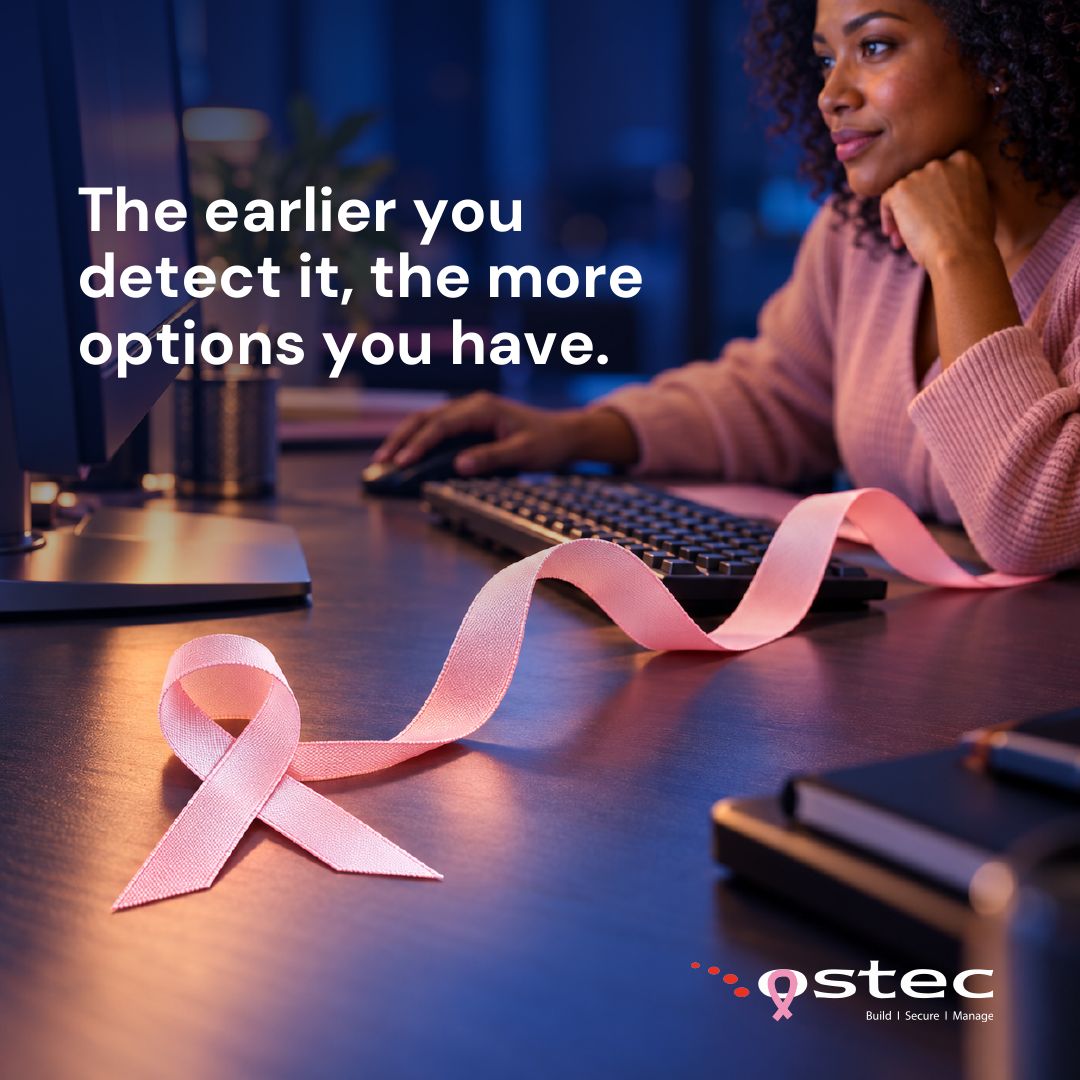
Early detection changes outcomes. In healthcare, it can mean earlier treatment. In cybersecurity, it can mean containing a threat before it becomes a business disruption. The principle is the same: visibility creates time to act. This October, we recognise the importance of early detection in every context. #Cybersecurity #SecurityReadiness #BreastCancerAwareness #Ostec
Ostec IT
Wed, Oct 7, 2026, 6:31 AM
Final episode in our #OstecSeries with @Jonathan Tawiah introducing Ostec Consulting Services. OCS marks a new dawn in consulting, combining strategic thinking with the technology fire power and execution capability to make transformation happen. If you are leading a transformation, dealing with an operating model that has outgrown the business, or trying to work out where technology can genuinely move the needle, we would be interested in the conversation. Book a discovery session with OCS: https://Inkd.in/dK3Rf4CD
Get in Touch
Contact Support
Ostec Technologies
Enterprise IT Solutions Across Africa